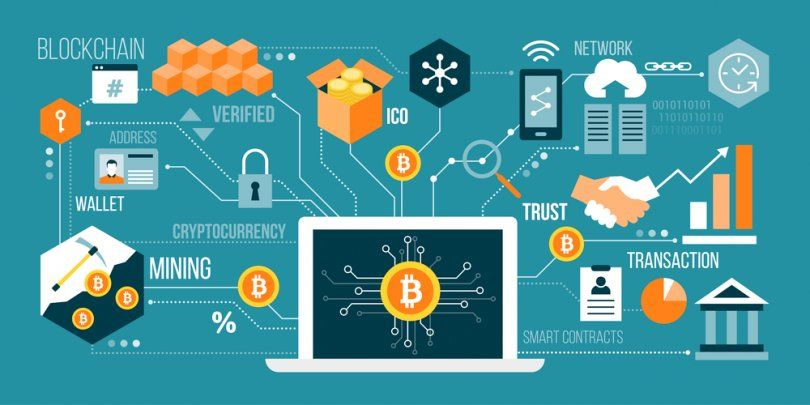
Blockchain technology is widely known for powering cryptocurrencies, but its potential goes far beyond digital money. In the public sector, blockchain can make government services more transparent, secure, and efficient. By providing a tamper-proof digital ledger, blockchain helps governments reduce fraud, streamline processes, and build citizen trust. Here are five practical use cases of blockchain in public services.
1. Secure and Transparent Voting
Elections are the foundation of democracy, but traditional voting systems often face issues such as fraud, human error, and lack of transparency. Blockchain can address these challenges by:
- Recording votes on an immutable digital ledger.
- Allowing citizens and auditors to verify results in real-time.
- Providing remote voting options while maintaining security.
Example: Estonia has piloted blockchain-based voting solutions that allow secure online voting, making elections more accessible and transparent.
Benefit: Increased voter confidence and election integrity with reduced risk of tampering.
2. Digital Identity Management
Government-issued identification is crucial for accessing public services, but centralized ID systems are prone to fraud and data breaches. Blockchain enables:
- Self-sovereign digital IDs: Citizens control their data while allowing authorized agencies to verify it.
- Secure access to services: Individuals can use their verified digital identity for banking, healthcare, and social benefits.
- Fraud prevention: Blockchain reduces identity theft by creating an immutable and verifiable record.
Example: Estonia’s digital ID system uses blockchain to secure citizen identities, ensuring safe access to government services.
Benefit: Enhanced security, privacy, and efficiency in service delivery.
3. Transparent Public Funds and Procurement
Public funds are vulnerable to mismanagement and corruption. Blockchain provides a transparent ledger that ensures accountability in:
- Government contracts and procurement.
- Distribution of grants and subsidies.
- Tracking expenditures for large infrastructure projects.
Example: Some municipalities are experimenting with blockchain to track construction projects, ensuring funds are used as intended.
Benefit: Reduced fraud, increased accountability, and real-time oversight of public spending.
4. Healthcare Records and Medical Supply Chains
Healthcare systems involve sensitive patient data and complex supply chains. Blockchain can improve:
- Patient data security: Medical records stored on blockchain are immutable and accessible only to authorized personnel.
- Efficient supply chains: Track the distribution of medicines, vaccines, and medical equipment to prevent shortages or counterfeit products.
- Interoperability: Different hospitals and clinics can securely share patient data for better care.
Example: During the COVID-19 pandemic, blockchain was used in some countries to track vaccine distribution and verify authenticity.
Benefit: Safer, more efficient healthcare delivery and improved patient outcomes.
5. Land and Property Registries
Property ownership records are often prone to disputes, fraud, and bureaucratic delays. Blockchain can transform land management by:
- Recording property titles on a tamper-proof ledger.
- Verifying ownership and historical transactions quickly.
- Reducing disputes over land and simplifying transfer processes.
Example: Georgia (the country) uses blockchain for property registration, increasing transparency and reducing fraud.
Benefit: Reliable, transparent property ownership records and faster, more secure transactions.
Conclusion
Blockchain technology offers practical solutions for public services by enhancing security, transparency, efficiency, and citizen trust. From elections and digital identities to public funds, healthcare, and property management, blockchain can streamline government operations and reduce fraud.
However, successful implementation requires:
- Clear regulatory frameworks
- Integration with existing systems
- Robust cybersecurity measures
- Skilled personnel to manage and maintain blockchain solutions
Governments that adopt blockchain thoughtfully can create more transparent, accountable, and citizen-focused public services, paving the way for a digital-first future.