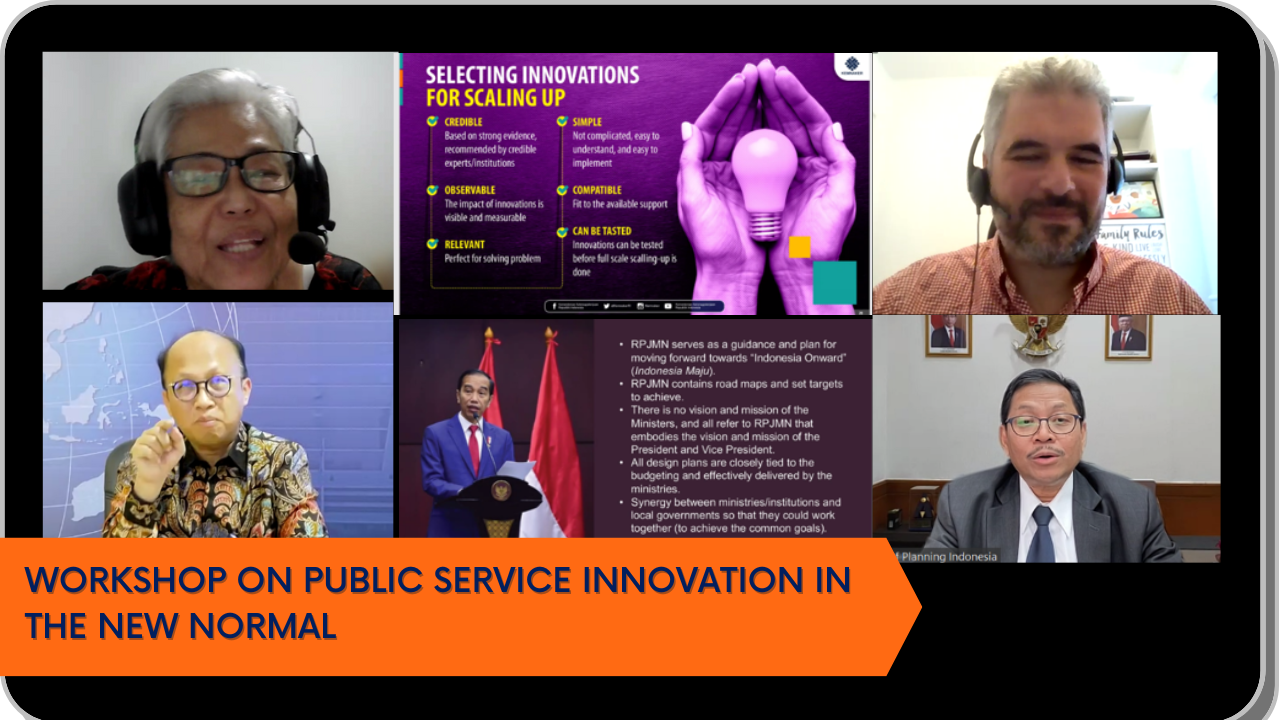
Modern governments face growing demands to deliver services that are efficient, accessible, transparent, and citizen-focused. Traditional bureaucratic approaches are often slow, fragmented, and unable to keep pace with rapidly changing citizen expectations. To meet these challenges, governments worldwide are adopting innovative approaches that leverage technology, data, and human-centered design. These innovations are reshaping public service delivery and improving outcomes for citizens.
1. Digital-First Service Delivery
Digital platforms are at the forefront of transforming how governments interact with citizens. Moving services online not only increases convenience but also reduces operational inefficiencies.
Key Approaches:
- E-Government Portals: Centralized platforms for applying for permits, paying taxes, or accessing social benefits.
- Mobile Applications: Governments deliver services through smartphones, increasing accessibility for rural and underserved populations.
- Automated Notifications and Chatbots: AI-powered systems handle inquiries, schedule appointments, and remind citizens of deadlines.
Impact: Citizens enjoy faster, more convenient access to services, reducing queues, paperwork, and administrative burdens.
2. Data-Driven Decision Making
Modern public services increasingly rely on data analytics to optimize resource allocation and improve service effectiveness.
Key Approaches:
- Big Data Analytics: Analyze citizen usage patterns to identify areas needing improvement.
- Predictive Analytics: Anticipate demand for services such as healthcare, transportation, or emergency response.
- Integrated Dashboards: Monitor real-time performance of services across departments.
Impact: Data-driven strategies allow governments to make evidence-based decisions, allocate resources efficiently, and anticipate citizen needs proactively.
3. Behavioral and Human-Centered Design
Designing services around citizens’ needs and behaviors leads to more effective and user-friendly public services.
Key Approaches:
- User-Centered Service Design: Engage citizens through surveys, interviews, and focus groups to co-create solutions.
- Behavioral Insights: Use nudges and behavioral interventions to encourage desired citizen behaviors, such as tax compliance or health program participation.
- Iterative Prototyping: Test new service models on a small scale, gather feedback, and refine before full-scale implementation.
Impact: Services become more intuitive, effective, and aligned with citizen expectations, improving uptake and satisfaction.
4. Collaborative Governance and Public-Private Partnerships
Innovation in public services is increasingly driven by collaboration with the private sector, NGOs, and academia.
Key Approaches:
- Innovation Labs and Incubators: Governments partner with startups and research institutions to pilot new solutions.
- Public-Private Service Delivery: Partnering with private firms for infrastructure, digital platforms, or citizen programs.
- Crowdsourcing Ideas: Engage citizens and external stakeholders to identify challenges and propose solutions.
Impact: Collaborative approaches accelerate innovation, leverage external expertise, and create services that are more responsive to complex societal challenges.
5. Blockchain and Secure Digital Records
Blockchain technology offers new ways to ensure transparency, accountability, and security in public service delivery.
Key Approaches:
- Digital Identity Systems: Secure and verifiable citizen identity management.
- Transparent Procurement: Recording contracts and public spending on a blockchain to reduce fraud and corruption.
- Secure Record-Keeping: Immutable records for property, healthcare, or voting systems.
Impact: Blockchain strengthens trust in government services, ensures tamper-proof record-keeping, and enables secure, efficient transactions for citizens.
Additional Considerations
- Digital Inclusion: Ensure all citizens, including marginalized communities, can access modern services.
- Cybersecurity: Protect sensitive data against breaches and misuse.
- Continuous Improvement: Monitor, evaluate, and refine services using citizen feedback and performance metrics.
Conclusion
Modern public services are no longer defined solely by bureaucracy—they are dynamic, citizen-centric, and innovation-driven. By adopting digital-first delivery, leveraging data analytics, applying human-centered design, fostering collaboration, and integrating secure technologies like blockchain, governments can provide services that are faster, more transparent, and more effective.
These innovative approaches are reshaping the public sector, helping governments meet rising citizen expectations, improve operational efficiency, and strengthen public trust. In an era of rapid technological and societal change, embracing innovation is not optional—it is essential for building responsive and resilient public services.